Symptom guide
Signs of Rats in Your Attic or Walls
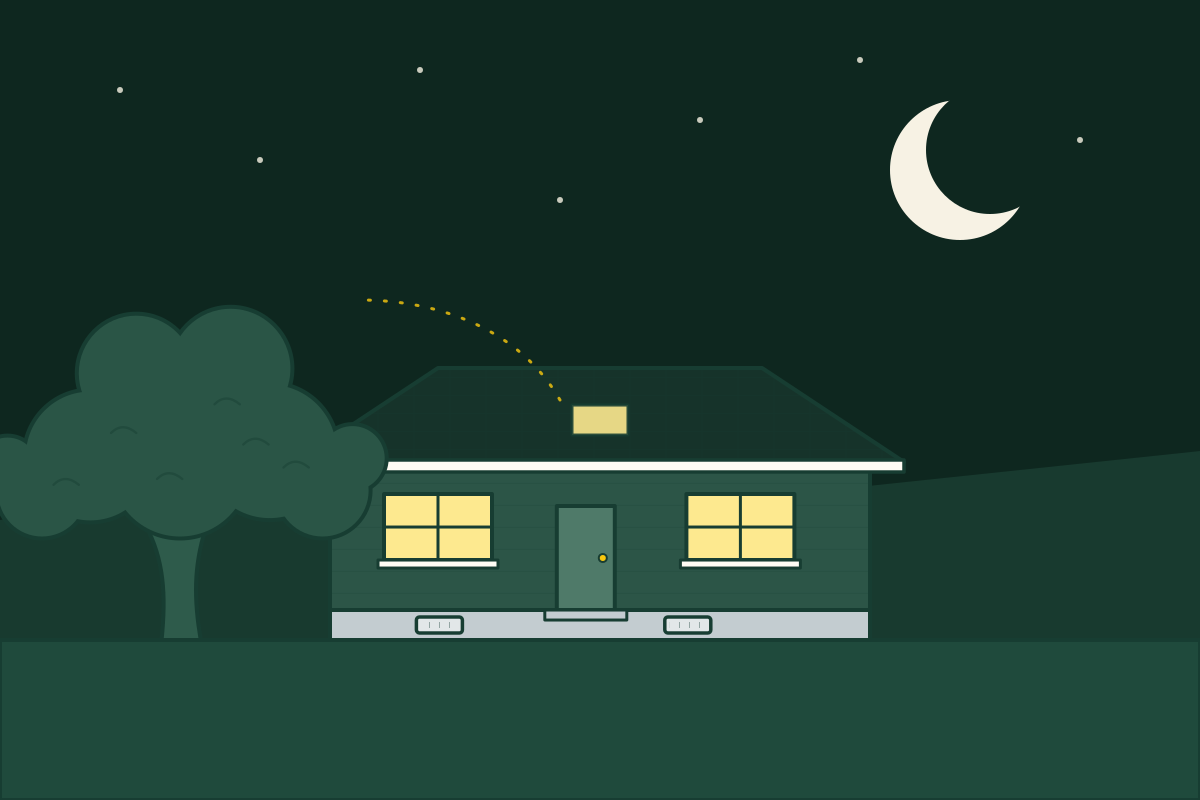
The most common signs of rats are scratching or running in the attic or walls after dark, droppings, gnaw marks on wood, wiring or fruit, and dark smudge marks where they rub along beams and pipes. Any one of these usually means an open entry point that needs finding.
What you’re noticing
Signs, what they usually mean, and what to do
| What you notice | Usually means | Next step |
|---|---|---|
| Scratching or running overhead at night | Roof rats in the attic (or mice) | Trapping + sealing |
| Noise inside walls | Rats or mice traveling between attic and crawl space | Inspection of wall voids and penetrations |
| Droppings in the attic, garage or under sinks | Active infestation; size hints at species | Don’t sweep; see the cleanup guide |
| Gnaw marks on wood, wiring or stored items | Rats or mice nesting nearby | Inspection; check wiring if chewed |
| Dark greasy smudges on beams or pipes | Regular runways (UC IPM: rub marks) | Traps along those runways |
| Hollowed fruit on the tree | Roof rats feeding outdoors | Roof rat yard steps |
| Burrows along the foundation or under woodpiles | Norway rats | Ground-level sealing and trapping |
| Musty, ammonia-like smell | Urine and nesting in insulation | Attic cleanup after sealing |
| Pets staring at walls or ceilings | Movement you can’t hear yet | Inspection |
Reading the evidence
Droppings and rub marks
UC IPM lists droppings, gnaw marks on fruit and nuts, and smudge marks from rats rubbing their fur against beams, rafters, pipes and walls as key signs. Fresh droppings are dark and soft; old ones are dry and crumble. Rub marks build up along the same route night after night, which makes them the best place for traps.
Before you clean up anything, read the CDC cleanup steps: never sweep or vacuum droppings dry.
Common questions
Is it normal to have rats in the attic?
It is common in neighborhoods with mature oaks, ivy and fruit trees, because roof rats nest above ground and move into attics through roof-level gaps. Common is not the same as harmless: rats contaminate insulation, chew wiring and multiply. Treat it as a sign that something on the roofline is open.
What time do rats leave the attic?
Rats are mostly active at night (UC IPM). In an attic you will usually hear them after dusk as they head out to feed and again before dawn as they return. Quiet daytime hours don’t mean they are gone.
Questions
Frequently asked
How can I tell rats from mice?
Size is the clearest clue: rat droppings and gnaw marks are much larger than a mouse’s. Rats also leave heavier rub marks. An inspection can confirm the species from the evidence.
Can rats chew through wiring?
Yes. Rodents gnaw constantly, and chewed wiring in attics and walls is a known hazard. If you see chewed wires, have them checked by an electrician.
When should I call someone?
As soon as you hear activity or find fresh droppings. The earlier entry points are sealed, the smaller the cleanup.
Next step
Get the house looked at
Call for the quickest answer, or send the form and expect a call back to set up an inspection and a written quote.
- Entry points found and listed
- Trapping, sealing and cleanup priced separately
- Warranty terms in writing